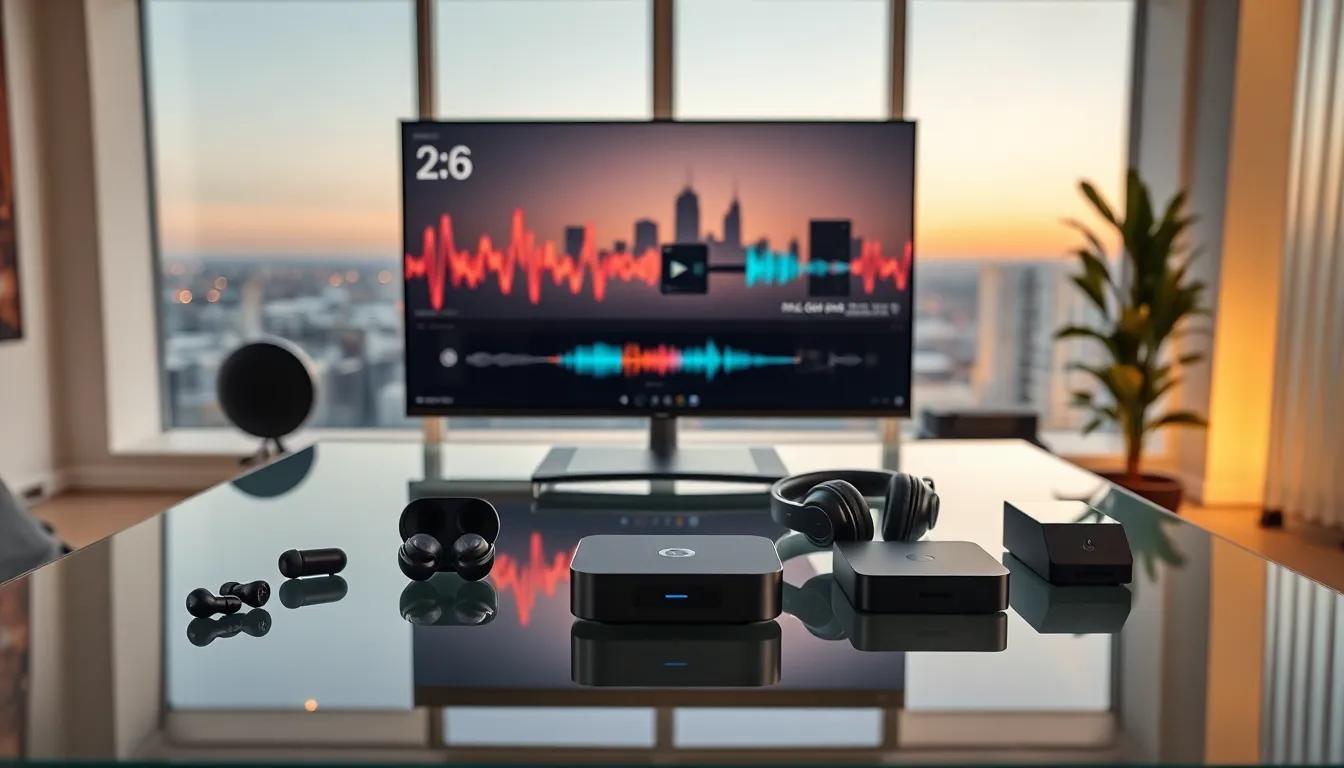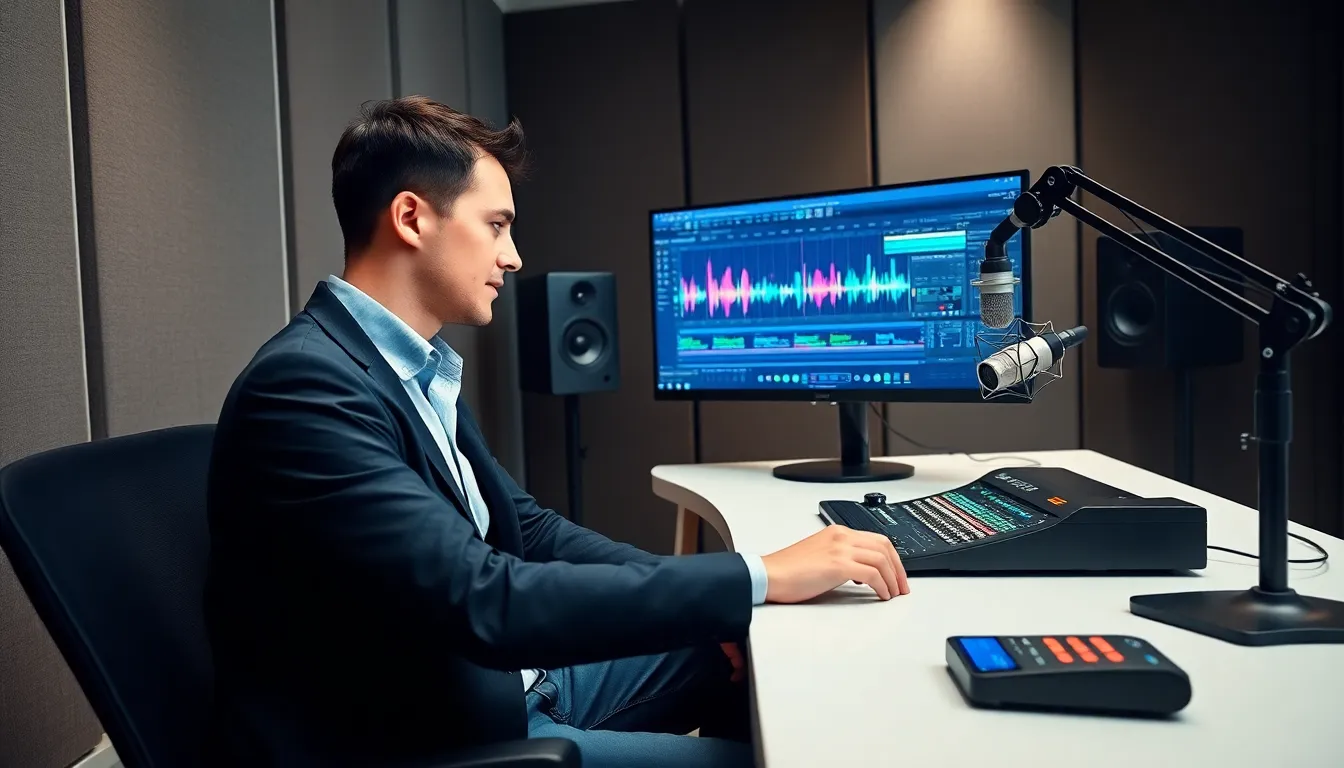
Audio technology shapes how people capture, process, and reproduce sound. From smartphones to concert halls, audio technology touches nearly every aspect of modern life. This guide explains what audio technology is, how it works, and why it matters. Whether someone wants to understand their home speaker system or explore a career in sound engineering, this article covers the fundamentals. Readers will learn about key components, everyday applications, and the exciting opportunities this field offers.
Table of Contents
ToggleKey Takeaways
- Audio technology refers to the tools and systems used to record, process, store, and play back sound—from microphones to streaming platforms.
- The field includes both analog and digital systems, with digital audio technology dominating modern applications due to cleaner reproduction and easier editing.
- Essential components of audio technology include microphones, amplifiers, speakers, digital audio workstations (DAWs), and audio interfaces.
- Everyday applications range from music streaming and smartphones to healthcare devices like AI-powered hearing aids.
- Audio technology has evolved dramatically from Edison’s 1877 phonograph to today’s high-resolution streaming and spatial audio formats.
- Career opportunities in audio technology span audio engineering, sound design, live sound, broadcast, product development, and content creation.
Defining Audio Technology
Audio technology refers to the tools, systems, and methods used to record, process, store, and play back sound. It covers everything from microphones and speakers to digital audio workstations and streaming platforms.
At its core, audio technology converts sound waves into electrical signals. These signals can then be manipulated, stored, or transmitted. When someone plays music through headphones, audio technology converts digital files back into sound waves that human ears can hear.
The field includes both analog and digital systems. Analog audio technology uses continuous electrical signals to represent sound. Vinyl records and tape recorders are classic examples. Digital audio technology converts sound into binary code, ones and zeros that computers can process and store.
Modern audio technology relies heavily on digital systems. Digital formats offer cleaner sound reproduction, easier editing, and more efficient storage. But, many audiophiles still appreciate analog audio technology for its warm, natural sound characteristics.
Understanding audio technology starts with grasping how sound works. Sound travels as pressure waves through air. Audio technology captures these waves and transforms them into formats that can be stored, edited, and reproduced with high fidelity.
Key Components of Audio Technology
Several essential components make audio technology work. Each plays a specific role in the sound chain.
Microphones
Microphones capture sound waves and convert them into electrical signals. Different microphone types serve different purposes. Dynamic microphones handle loud sounds well and work great for live performances. Condenser microphones offer more sensitivity and detail, making them ideal for studio recordings.
Amplifiers
Amplifiers boost electrical signals to usable levels. Without amplification, the tiny signals from microphones or audio players couldn’t drive speakers. Audio technology relies on amplifiers at multiple stages, from preamps that prepare signals for processing to power amps that drive loudspeakers.
Speakers and Headphones
Speakers and headphones convert electrical signals back into sound waves. They use drivers, components that vibrate to create pressure waves in the air. Speaker design significantly affects sound quality, frequency response, and overall listening experience.
Digital Audio Workstations (DAWs)
DAWs are software applications that record, edit, and mix audio. Programs like Pro Tools, Ableton Live, and Logic Pro have become central to modern audio technology. They allow producers to manipulate sound with precision that wasn’t possible with analog equipment alone.
Audio Interfaces
Audio interfaces connect microphones and instruments to computers. They convert analog signals to digital format and vice versa. Quality audio interfaces provide clean signal conversion, which is essential for professional audio technology applications.
Common Applications in Everyday Life
Audio technology appears in countless everyday situations. Most people interact with it dozens of times daily without thinking about it.
Music Streaming: Services like Spotify and Apple Music use advanced audio technology to compress, store, and deliver millions of songs. Algorithms optimize sound quality while minimizing file sizes and bandwidth usage.
Smartphones: Modern phones contain sophisticated audio technology. They include multiple microphones for noise cancellation, speakers for playback, and processing chips that handle calls, music, and voice assistants.
Home Entertainment: Smart speakers, soundbars, and surround sound systems bring audio technology into living rooms. These devices use digital signal processing to create immersive listening experiences.
Automotive Audio: Cars feature complex audio technology systems. Premium vehicles include dozens of speakers, amplifiers, and acoustic treatments designed to overcome road noise and cabin reflections.
Gaming: Video games rely on audio technology for immersive experiences. Spatial audio creates the illusion of three-dimensional sound, helping players locate enemies or feel transported to virtual worlds.
Healthcare: Hearing aids represent some of the most advanced audio technology available. Modern devices use artificial intelligence to adapt to different environments and user preferences.
Communication: Video conferencing, podcasts, and voice calls all depend on audio technology. Echo cancellation, noise reduction, and compression algorithms make clear communication possible across distances.
The Evolution of Audio Technology
Audio technology has transformed dramatically over the past 150 years. Each innovation opened new possibilities for how people create and consume sound.
Thomas Edison’s phonograph, invented in 1877, marked the first time humans could record and play back sound. This mechanical audio technology used grooves on cylinders to store audio information.
The 20th century brought rapid advances. Magnetic tape recording emerged in the 1930s and 1940s, allowing for editing and multitrack recording. Vinyl records became the dominant consumer format, with stereo sound arriving in the 1950s.
The compact disc revolutionized audio technology in 1982. Digital audio offered perfect copies, no degradation over time, and smaller physical media. CDs dominated for two decades.
MP3 compression, developed in the late 1980s and popularized in the 1990s, changed everything again. This audio technology made it practical to store and share music files online. The iPod and later smartphones turned everyone’s pocket into a vast music library.
Today, streaming has become the primary way people access audio. High-resolution formats and spatial audio represent the current frontier. Audio technology continues advancing with improvements in wireless transmission, voice recognition, and artificial intelligence.
The shift from analog to digital fundamentally changed what’s possible with audio technology. Modern producers can manipulate sound in ways that would seem like magic to engineers from just a few decades ago.
Career Opportunities in the Audio Industry
The audio technology field offers diverse career paths. Professionals work in recording studios, live events, broadcast media, gaming, and product development.
Audio Engineers: These professionals record, mix, and master music and other audio content. They operate equipment, choose microphones, and make creative decisions that shape how recordings sound. Audio technology skills are essential for this role.
Sound Designers: Sound designers create audio elements for films, games, and other media. They build soundscapes, design effects, and craft the audio experiences that accompany visual content.
Live Sound Technicians: Concerts, conferences, and theatrical productions need specialists who set up and operate audio technology systems. This hands-on work suits people who enjoy variety and working with performers.
Broadcast Engineers: Radio stations, television networks, and streaming platforms employ engineers who manage audio technology infrastructure. They ensure reliable signal quality and troubleshoot technical issues.
Product Developers: Companies that make speakers, headphones, microphones, and software need engineers and designers who understand audio technology. These roles combine technical knowledge with innovation.
Podcasting and Content Creation: The explosion of podcasts and online video has created demand for audio technology expertise. Many creators hire editors or learn these skills themselves.
Entry into audio technology careers often starts with formal education, internships, or self-taught skills. The field rewards both technical competence and creative ability.