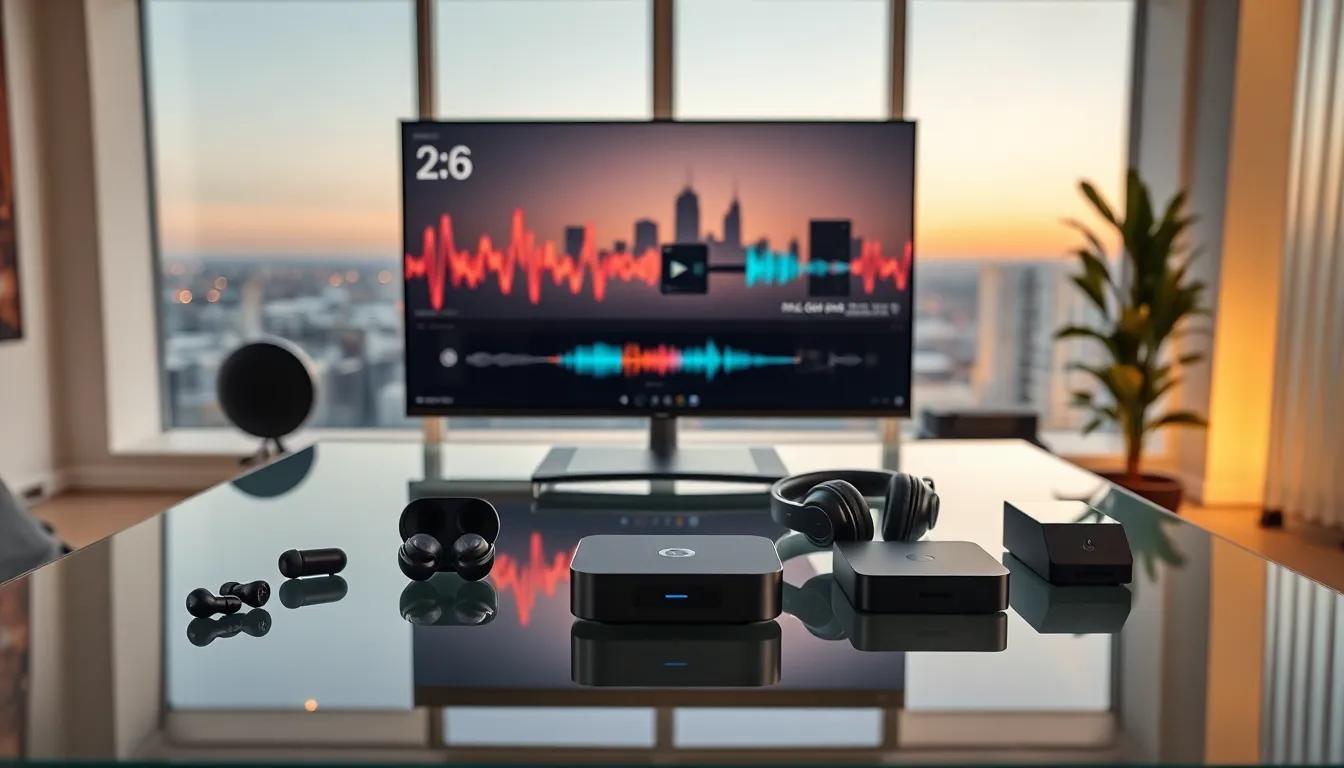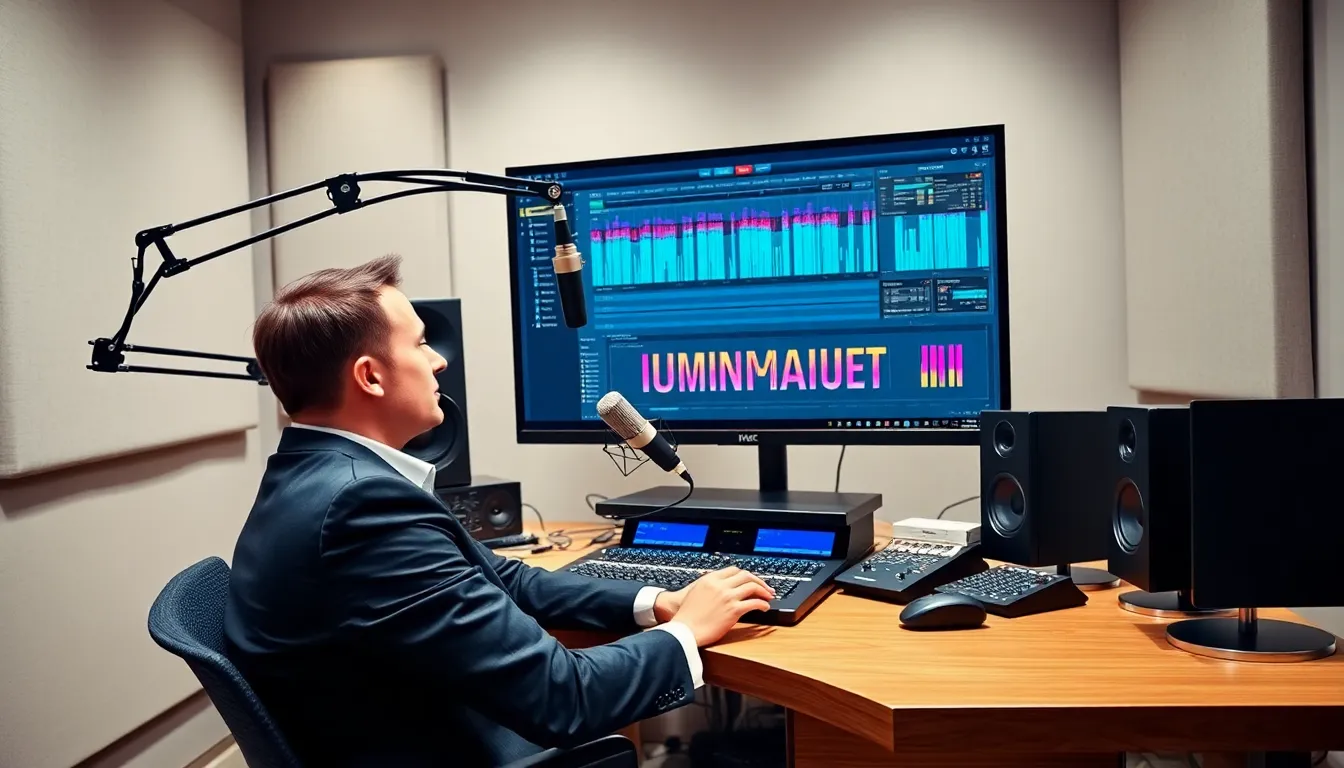
Audio technology strategies shape how people hear and interact with sound every day. From podcast producers to home theater enthusiasts, the right approach can mean the difference between muddy audio and crystal-clear playback.
But here’s the thing: great sound doesn’t happen by accident. It requires deliberate choices about equipment, settings, and workflows. This guide breaks down the core principles of audio technology strategies and shows readers how to apply them effectively. Whether someone is setting up a home studio or upgrading their living room speakers, these insights will help them get better results without unnecessary complexity.
Table of Contents
ToggleKey Takeaways
- Effective audio technology strategies balance equipment selection, room acoustics, and proper gain staging to achieve professional-quality sound.
- Understanding frequency, amplitude, and digital vs. analog formats provides the foundation for smarter audio setup decisions.
- Room treatment with acoustic panels, bass traps, and diffusers significantly improves sound quality by reducing echo and muddiness.
- Match your equipment to your specific use case—a podcaster, music producer, and home theater enthusiast each require different gear priorities.
- Streamline your workflow with DAW templates, consistent file management, and automation to save time and maintain consistency.
- Apply compression and EQ with a light touch to enhance audio without making it sound unnatural or over-processed.
Understanding the Fundamentals of Audio Technology
Before diving into specific audio technology strategies, it helps to understand what makes sound work. Audio signals travel as waves, and those waves carry information about frequency, amplitude, and timing. These three elements determine everything from bass depth to vocal clarity.
Frequency and Its Role in Sound
Frequency measures how fast a sound wave vibrates, expressed in Hertz (Hz). Human ears typically detect frequencies between 20 Hz and 20,000 Hz. Low frequencies create bass sounds, while high frequencies produce treble tones. Understanding this range helps users select equipment that captures or reproduces the full spectrum.
Amplitude and Volume Control
Amplitude refers to the strength of a sound wave. Higher amplitude means louder sound. But, pushing amplitude too high causes distortion. Effective audio technology strategies balance volume levels to maintain clarity without clipping or unwanted noise.
Digital vs. Analog Audio
Digital audio converts sound waves into binary data. Analog audio preserves the original wave pattern. Each format has strengths. Digital offers precision and easy editing. Analog provides warmth that some listeners prefer. Many professionals use both formats depending on their project needs.
Grasping these fundamentals gives users a foundation for making smarter decisions about their audio setups.
Key Strategies for Optimizing Audio Quality
Getting good audio requires more than expensive gear. The best audio technology strategies focus on controlling the environment, managing signal flow, and using the right processing techniques.
Room Acoustics Matter
Sound bounces off walls, floors, and ceilings. These reflections can create echo, muddiness, or uneven frequency response. Treating a room with acoustic panels, bass traps, and diffusers reduces these problems. Even simple fixes like adding rugs or curtains make a noticeable difference.
Signal Chain Optimization
The signal chain describes the path audio takes from source to output. Each link in this chain affects the final sound. Keeping cables short reduces interference. Using high-quality preamps maintains signal integrity. Avoiding unnecessary processing preserves the original audio character.
Gain Staging Techniques
Gain staging means setting proper volume levels at each stage of the signal chain. Setting levels too low adds noise when boosted later. Setting them too high causes distortion. Smart audio technology strategies involve checking levels at every point, from microphone to mixer to final output.
Compression and EQ Basics
Compression reduces the dynamic range between loud and quiet sounds. This creates a more consistent listening experience. Equalization (EQ) adjusts specific frequencies to enhance or reduce certain tones. Both tools require a light touch. Over-processing makes audio sound unnatural.
These strategies work together to produce cleaner, more professional sound regardless of the budget involved.
Choosing the Right Equipment for Your Needs
Equipment selection plays a major role in audio technology strategies. The market offers countless options at every price point. Knowing what to prioritize helps buyers avoid costly mistakes.
Microphones: Types and Applications
Dynamic microphones handle high sound pressure levels and resist moisture. They work well for live performances and loud instruments. Condenser microphones capture more detail and sensitivity. They excel in studio settings for vocals and acoustic instruments. Ribbon microphones offer a vintage character prized by audiophiles.
Headphones and Monitors
Closed-back headphones isolate sound and prevent bleed during recording. Open-back headphones provide a more natural soundstage for mixing. Studio monitors deliver flat frequency response so users hear audio as it actually sounds, not colored by speaker characteristics.
Audio Interfaces and DACs
An audio interface connects microphones and instruments to a computer. Quality interfaces offer better preamps, lower latency, and cleaner conversion. Digital-to-analog converters (DACs) improve playback quality for listeners using digital sources.
Matching Equipment to Goals
A podcaster needs different gear than a music producer. Someone building a home theater has different priorities than a DJ. Smart audio technology strategies start with defining the use case, then selecting equipment that fits that specific purpose.
Spending more doesn’t always mean better results. The right equipment matched to the right application outperforms expensive mismatched gear every time.
Integrating Audio Technology Into Your Workflow
Owning quality equipment is only part of the equation. Effective audio technology strategies require integrating tools into a functional workflow that saves time and produces consistent results.
Software and DAW Selection
Digital Audio Workstations (DAWs) serve as the hub for recording, editing, and mixing. Popular options include Pro Tools, Logic Pro, Ableton Live, and Reaper. Each offers different strengths. Some prioritize music production features. Others focus on post-production or live performance. Choosing the right DAW depends on the user’s primary work.
Template Creation
Building templates speeds up repetitive tasks. A podcast template might include pre-configured tracks for host audio, guest audio, and music beds. A music production template could contain favorite virtual instruments and effects chains. Templates let users start working immediately instead of rebuilding setups from scratch.
File Management Practices
Audio projects generate many files quickly. Consistent naming conventions and folder structures prevent confusion. Backing up projects to external drives or cloud storage protects against data loss. These habits seem small but pay off during long-term projects.
Automation and Batch Processing
Many audio tasks benefit from automation. Batch processing applies the same effects to multiple files at once. Automation features in DAWs handle volume changes, panning, and effects parameters automatically. These tools free users to focus on creative decisions rather than repetitive adjustments.
A streamlined workflow makes audio technology strategies practical and sustainable over time.